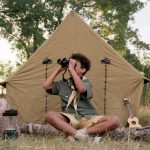
Kenya safari morning coffee stops are rarely just about a cup of coffee. Each one is a short pause built around the rhythm of the game drive. In the Maasai Mara, Amboseli, and Ol Pejeta, the first light of the day is for predators and grazers, not for long breakfast tables. So the coffee moment depends on how your camp, your guide, and your reserve or conservancy handle the early morning. This guide covers four common options. They are pre-drive lodge coffee, a thermos stop during the drive, a formal bush breakfast, and a roadside coffee break on the drive in from Nairobi. It also gives you realistic timing and cost ranges. You will find safety rules too, so you can plan a honeymoon morning that fits your budget and your wildlife goals.
What Kenya Safari Morning Coffee Stops Are
Kenya safari morning coffee stops usually mean one of three things. It could be hot coffee and a small snack at camp before departure, coffee served from a thermos during a game-drive pause, or a planned bush breakfast with coffee and a full meal outdoors. These are different experiences, so confirm which one your itinerary includes.
Many travelers use the phrase loosely. A lodge may call a pre-departure cup of Kenyan filter coffee a coffee stop. A guide may mean a ten-minute flask break on a track near the Talek River. A camp manager may mean a full bush breakfast with a folding table, chairs, and staff at a Mara North Conservancy viewpoint. These are not interchangeable. For a honeymoon couple, the cost, time, and privacy change with each one. Before you book, you may also want to check whether safari lodges include meals so you know what is already part of your nightly rate.
Use this quick guide to compare the main options.
| Coffee stop type | Typical timing | Food and drink | Common setting (named examples) | Cost note |
|---|---|---|---|---|
| Pre-drive lodge coffee | 5:15-6:15 a.m., before departure | Kenyan coffee, tea, biscuit, fruit | Safari camps in Maasai Mara, Amboseli, Ol Pejeta | Usually included in nightly rate |
| In-vehicle thermos stop | 7:00-8:30 a.m. on the first loop | Coffee or tea from a flask, water, small snack | Along Talek River tracks or Amboseli swamps | No extra charge on most shared or private game drives |
| Planned bush breakfast | 8:30-10:30 a.m., after first loop | Brewed coffee, chai, eggs, toast, fruit, juice | Mara North Conservancy viewpoint or Ol Pejeta overlook | About USD 25-65 per person if billed separately |
| Roadside coffee break | Late morning from Nairobi | Coffee, mandazi, or samosa | Narok town cafes; a viewpoint near Mai Mahiu on the Naivasha road | About KES 300-800 per person |
Cost ranges are indicative only. Confirm current prices and park or conservancy fees with each camp or operator.
When Coffee Stops Happen During a Morning Game Drive
Most morning drives leave camp around 5:30-6:30 a.m., with coffee and a light bite available before departure. A formal bush breakfast usually follows the first wildlife-viewing period, commonly around 8:00-10:00 a.m., and may last 45-60 minutes before the drive continues or returns to camp.
The exact clock matters less than the light. Near the equator in Kenya, sunrise is close to 6:30 a.m. year-round. In Amboseli National Park, the gate opens at 6:00 a.m., so many camps begin the drive shortly after. In the Maasai Mara, the Narok County Government runs the reserve and game drives often start between 6:00 and 6:30 a.m. Private conservancies such as Mara North and Naboisho can leave earlier or later because they do not follow the same park gate rules. A thermos stop usually fits into the first two hours of the drive, when cats are still moving. A full bush breakfast is normally set for 8:30 a.m. or later, once the guide has finished the first loop or found a quiet site away from the main tracks.
For honeymooners, this is the practical choice: do you want a longer table stop or more time with wildlife? A 45-minute bush breakfast can cost you a cheetah sighting if the guide stops at 8:15 a.m. and the cats are active until 9:00. The best morning coffee stop is the one that waits for a natural lull in the action.
What Food and Drinks Are Served
A basic coffee stop normally includes Kenyan coffee or tea, water, and a biscuit, muffin, fruit, or pastry. A bush breakfast is more substantial, often offering brewed coffee, chai, juice, yoghurt, cereal, fruit, toast, eggs, and occasionally sparkling wine. Menus vary by camp and should be requested in advance for dietary requirements.
Kenyan coffee is usually a strong, clean arabica from the central highlands around Nyeri, Kiambu, or Murang’a. On a pre-drive stop, the camp may serve it black or with warm milk. Tea is often from Kericho or Limuru and brewed with milk and spices as chai. Fruit is local and ripe: pawpaw, mango, tree tomato, banana. At a bush breakfast, the camp may add a cooked option, but eggs and toast are the reliable base. Some Mara and Ol Pejeta camps include bacon, sausage, mushrooms, or pancakes. Sparkling wine appears at selected honeymoon bush breakfasts, but it is not standard. If you are gluten-free, dairy-free, or vegetarian, tell the camp at booking. A private chef can usually pack a separate box, but only if the request arrives before the morning drive roster is set.
Where Coffee Stops Take Place and How Safety Works
Coffee stops take place at camp, inside or beside the safari vehicle, or at a carefully selected outdoor site such as a riverbank, waterhole overlook, or conservancy viewpoint. Guests should remain with their guide and follow instructions at every stop. Private conservancies generally offer more flexibility in choosing a discreet scenic location.
In the Maasai Mara National Reserve, vehicles must stay on designated tracks, so a coffee stop may happen on a raised spot with clear sightlines. In Amboseli National Park, the open lake basin offers long views, but the ground can be muddy near the swamps. In Ol Pejeta Conservancy, guides often use a viewpoint near a waterhole or a river bend. The guide scans the area before you step out. Never walk to a bush breakfast table alone. Hippos and buffalo move in the early morning. Elephants can appear without much noise. The vehicle is your safest shelter, and the guide’s instructions override any photo idea. This extra control is one of the benefits of a private conservancy: fewer vehicles, more room, and a quieter stop. For bathroom access before or during a coffee stop, see our companion guide on Kenya safari toilet breaks.
What Coffee Stops Cost and How to Arrange One
Pre-drive coffee is commonly part of the accommodation service, while a formal bush breakfast may be included or charged separately. Indicative published estimates put many Mara, Amboseli, and Ol Pejeta bush breakfasts at roughly USD 25-65 per person, with advance notice often requested. Verify the current price, park fees, menu, and minimum guest numbers directly with the camp.
Start with what is already paid. If you stay at a full-board camp in the Maasai Mara, your rate likely includes breakfast at the lodge, but not necessarily a bush breakfast. Many camps in Mara North Conservancy or Naboisho Conservancy bundle a walking or bush breakfast into higher room rates, but you should ask. A private bush breakfast for two may cost more than the per-person rate because the camp still sends a vehicle, table, chairs, staff, and food. The indicative range of USD 25-65 per person covers simple setups in many Mara, Amboseli, and Ol Pejeta camps. Luxury camps may charge more, often USD 80-120 per person for a champagne bush breakfast, but that is an upper range, not the norm. If you drive yourself, remember park fees are separate. Amboseli National Park charges USD 90 per adult per day for non-residents. The Maasai Mara National Reserve charges USD 100 per adult per day from January to June and USD 200 per adult per day from July to December. That fee is set by Narok County Government, not KWS. A roadside coffee stop in Narok town, about 140 km from Nairobi on the road toward the Maasai Mara, costs far less, about KES 300-800 per person. It is useful if you leave Nairobi before your lodge breakfast.
Arrange a bush breakfast when you book the safari or at check-in. Most camps need notice by the evening before, but a private setup is easiest to request at least 24 hours in advance. Ask three questions: Is the bush breakfast included in my rate? How long will it take? Does the per-person price include park or conservancy fees, guide time, drinks, and any special menu changes? Confirm the answer in writing if the cost matters to your honeymoon budget.
The SafariPure Difference
Most safari planners treat a coffee stop as a photo moment. SafariPure treats it as a timing decision. We schedule pre-drive coffee, thermos breaks, and bush breakfasts around actual wildlife movement, not around a fixed clock. If the Mara River crossings are active at dawn, we keep the morning moving and delay the table. If you want a private stop in Mara North, we know which camps include it and which charge extra. We also match the stop to your honeymoon style: a quiet flask break on an Amboseli track may give you more privacy than a shared bush breakfast tent. We plan the small things that make the morning work, from dietary boxes to bathroom stops to the right guide.
Frequently Asked Questions
What time do morning game drives start in Kenya?
Most morning game drives start between about 5:30 and 6:30 a.m., depending on sunrise, park opening rules, and the camp’s location. Lodges commonly offer coffee, tea, and a small snack before departure. In Amboseli National Park, the gate opens at 6:00 a.m., and many Mara conservancies leave around the same time.
Can you stop for coffee during a safari game drive?
Yes, guides may arrange a brief coffee or tea stop during a morning drive, and some camps organize a full bush breakfast away from camp. The stop must be made in a suitable, safe location, so its timing depends on wildlife activity, terrain, weather, and reserve or conservancy rules.
What is included in a bush breakfast in Kenya?
A bush breakfast commonly includes freshly brewed Kenyan coffee or tea, juice, fruit, yoghurt, cereal, toast, and eggs, although the exact menu depends on the camp. Ask whether transport, table setup, guide time, drinks, and special dietary items are included.
How much does a bush breakfast cost in the Maasai Mara?
Published indicative estimates place a Maasai Mara bush breakfast at approximately USD 25-65 per person, with some luxury camps including it in the nightly rate. The final price can vary by camp, location, menu, group size, and whether park or conservancy fees are separate. The reserve’s entry fee is also separate and ranges from USD 100 to USD 200 per adult per day depending on season.
Are safari coffee stops safe?
They can be safe when the guide selects the location and manages the group, but guests should never wander away, approach wildlife, or leave food behind. A vehicle-side coffee stop is generally more controlled than an outdoor breakfast, while the guide’s instructions should take priority at every stop.
Plan Your Safari Coffee Stops with SafariPure
A good morning coffee stop is not hard to arrange, but it is easy to get wrong. Tell SafariPure how you want your mornings to feel. We can compare camp inclusions, bush breakfast costs, and realistic drive times in the Maasai Mara, Amboseli, and Ol Pejeta. Then we build an itinerary that protects your wildlife time and your honeymoon budget. View our safari tours or contact us to start planning.